
6 reasons why EPDM and TPO single-ply roofing membranes are ideal for renovation projects

As the built environment continues to move toward circular, low-carbon design, architects are increasingly challenged to balance aesthetics, performance, longevity and environmental impact. Roof renovation, in particular, offers a great opportunity to extend a building’s life while improving efficiency and sustainability.
In this context, single-ply synthetic roofing membranes such as EPDM (Ethylene-Propylene-Diene-Terpolymer) and TPO (thermoplastic polyolefin) are particularly well suited for renovation projects. Beyond their proven durability and waterproofing performance, they stand out for how they help minimize waste, reduce embodied carbon and support circular construction.
1. Reduced waste
Construction and demolition waste is the single largest waste stream in the EU. Reducing it requires sustainable material choices coupled with design and procurement strategies that prioritise longevity, repairability and circularity.
By specifying long-lasting roofing membranes such as EPDM and TPO, the waste footprint of roof renewals can be substantially reduced while delivering durable, high-performance buildings.
2. Longer service life = fewer tear-offs
EPDM membranes have an expected service life that can go over 70 years, as stated in the latest SKZ study. They also have several decades of proven field performance when installed and maintained correctly, with many projects in Europe exceeding 30 years in service. This longevity reduces the frequency of full roof replacements and the associated large volumes of tear-off waste.
Although TPO roofing membranes have a shorter documented history than EPDM, high quality TPO formulations offer robust lifespans and, in many markets, are selected specifically where a combination of reflectivity and durability is desired. Both systems therefore help shift projects from a cycle of frequent complete replacements to a longer-term, repair-first approach.
3. Repairability and “spot” interventions
Properly formulated EPDM and TPO roofing membranes also excel at localised repairs. In case of damages on the roof area, EPDM’s flexibility and TPO’s weldable seams enable durable patching and seam-repair techniques, even after years of exposure, allowing to extend the service life of the roof without a full tear-off.
4. Overlay options
EPDM and TPO roofing systems can be installed over the existing roof assembly, eliminating the need for tear-off and sending the existing membranes and insulation to landfill. Reroofing over the existing substrate also avoids truck movements, skip hire and on-site sorting.
5. Lightweight, safe and fast to install
Membranes such as RubberGard EPDM and UltraPly TPO come in wide panels that require fewer field seams than traditional systems. In fast-paced renovation projects, this translates into shorter labour time on site. No torch is needed for their installation, improving onsite safety conditions and allowing activities to continue while the renovation works are ongoing. In addition, EPDM and TPO membranes add limited weight to the roof structure, another crucial factor in renovations.
6. Ideal for retrofitting
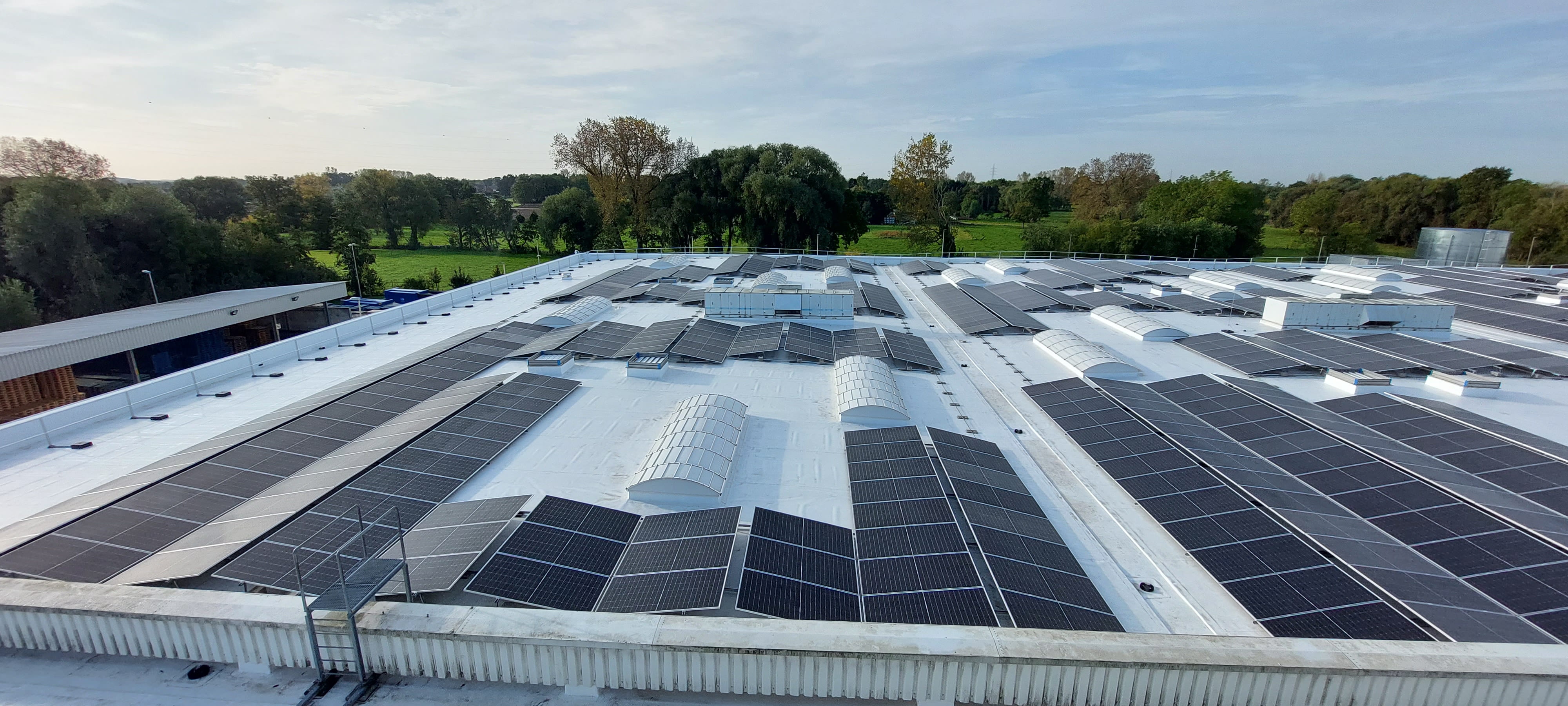
The incorporation of solar, green and blue roofs on existing buildings is growing, driven in many cases by local building regulations and incentives programs. However, not all existing roofing systems are well suited for green or solar roofs, and often a new system needs to be put in place. EPDM and TPO membranes are adaptable and perfect for retrofitting projects. They provide a robust and durable foundation for green, blue and solar installations.
Considering EPDM or TPO roofing for your renovation project? Contact us for tailor-made advice!
