
How the roof shapes a building’s energy performance
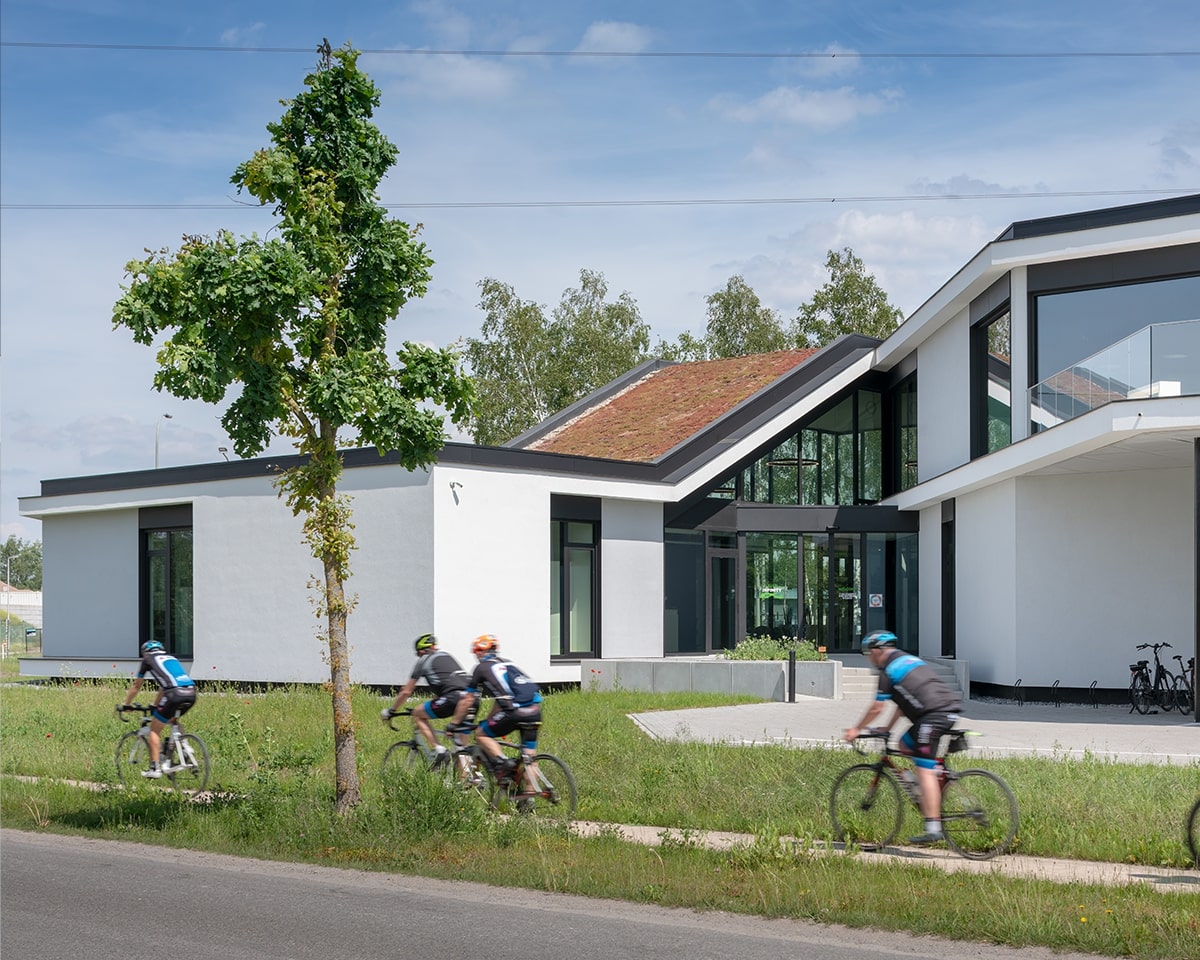
As one of a building's largest surfaces, the roof can play an important part in how much energy is needed for heating and cooling. So how does the roof influence a building's energy use and running costs, and why does that matter for existing buildings as energy rules tighten?
Keeping the heat where it belongs
During the colder months, heat naturally escapes from a building, including through the roof. In an uninsulated home, around a quarter of all heat is lost this way, according to the UK’s Energy Saving Trust. While that figure applies specifically to homes, it shows just how much difference the roof can make. Adding insulation helps keep heat inside and reduces the need for heating.¹
Insulation plays a key role in a roof's energy performance. Its performance is often expressed as a U-value, which indicates how much heat passes through a building element. The lower the U-value, the better the insulation.
A cooler roof, a cooler building?
Insulation doesn’t only matter when it’s cold. In summer, it helps keep heat out and reduces the amount of energy needed to cool the building.
The roof surface can play a role too. Light-coloured roofs reflect more sunlight instead of absorbing it, keeping the surface cooler and potentially reducing cooling demand. This effect is strongest in warm climates and less significant during summer in the cooler parts of Northern Europe.
There is a trade-off, however. In winter, a reflective roof also absorbs less heat from the sun, which can increase heating needs. And when a roof is already well insulated, a reflective surface alone has virtually no additional impact on indoor comfort. Good thermal insulation has a much greater influence than the colour of the roofing membrane. So while roof colour can make a difference, whether it actually saves energy depends largely on the climate and the insulation beneath it.
The energy opportunity on the roof
That makes insulation particularly relevant when an existing roof is due for renovation. Adding or upgrading it can reduce heating demand and lower energy bills,¹ while also helping to reduce cooling costs during warmer months. The roof’s performance also depends on its condition. If moisture gets into the build-up, the insulation can lose some of its insulating value, so heating and cooling systems may have to work harder.
And improving existing roofs will only become more important. Around 80% of today’s buildings are expected to still be standing in 2050, while around 75% of the EU building stock is currently energy inefficient. When an existing roof is renovated, upgrading the insulation alongside the waterproofing can help improve the building’s energy efficiency.
Energy rules are tightening
It's not only energy use and running costs that are putting existing buildings under the spotlight. UK regulation is pushing in the same direction. In England and Wales, privately rented non-domestic buildings already need an Energy Performance Certificate (EPC) rating of at least E. The government has proposed that, from 2031, rented buildings over 1,000 m² reach EPC B, where cost effective.²
For the roof itself, building regulations come into play as well. In England, when a roof is renovated, Approved Document L generally expects its insulation to be upgraded to an improved standard, where that is technically feasible and cost effective.³ That makes the roof an important consideration when improving the energy performance of an existing building.
Sources
¹ Energy Saving Trust, Roof and loft insulation, 2026. https://energysavingtrust.org.uk/advice/roof-and-loft-insulation/ (consulted 24/09/2026)
² GOV.UK, Minimum Energy Efficiency Standards (MEES) in the non-domestic Private Rented Sector: interim response, updated 18 June 2026. https://www.gov.uk/government/consultations/non-domestic-private-rented-sector-minimum-energy-efficiency-standards-epc-b-implementation/outcome/minimum-energy-efficiency-standards-mees-in-the-non-domestic-private-rented-sector-interim-response (consulted 06/10/2026)
³ HM Government, Approved Document L: Conservation of fuel and power, Volume 2: Buildings other than dwellings, 2021 edition incorporating 2023 amendments, paras 4.7–4.8. https://assets.publishing.service.gov.uk/media/63d8edbde90e0773d8af2c98/Approved_Document_L__Conservation_of_fuel_and_power__Volume_2_Buildings_other_than_dwellings__2021_edition_incorporating_2023_amendments.pdf (consulted 06/10/2026)