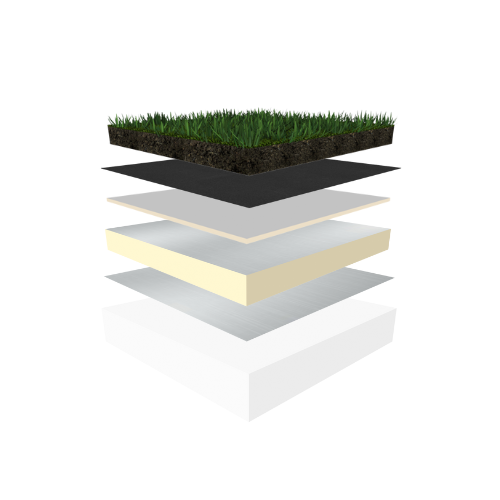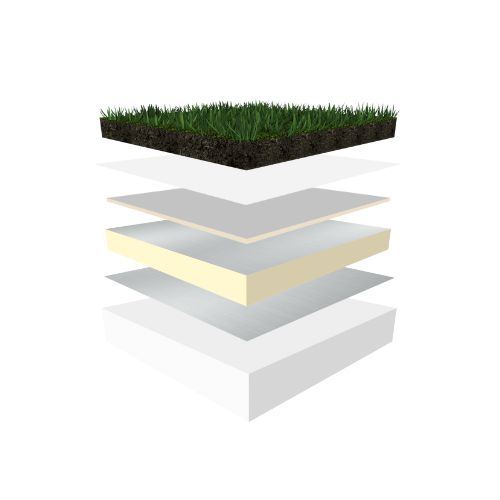
Green roofs* have been popping up on flat roofs around the world for several decades. Many European municipalities are encouraging their incorporation in the urban landscape and, in some regions, even making them mandatory for new buildings.
Green or “vegetated” roofs basically consist of a roofing system covered with a layer of living plants over a waterproofing membrane. There are two main types of green roofs: extensive and intensive. Extensive green roofs, which use sedum vegetation (such as succulents), are the most commonly used on flat roofs as they are lightweight and low-maintenance. Intensive green roofs or “rooftop gardens” are more complex, with more plant options including trees and shrubs which require irrigation, fertilization and maintenance.
The installation of a green roof system awards points in certification systems such as BREEAM (Building Research Establishment Environmental Assessment Method) and LEED (Leadership in Energy and Environmental Design) improving the environmental credentials and, as a consequence, the market value of properties.
* Green roofs as defined by the World Green Infrastructure Network (https://worldgreeninfrastructurenetwork.org)
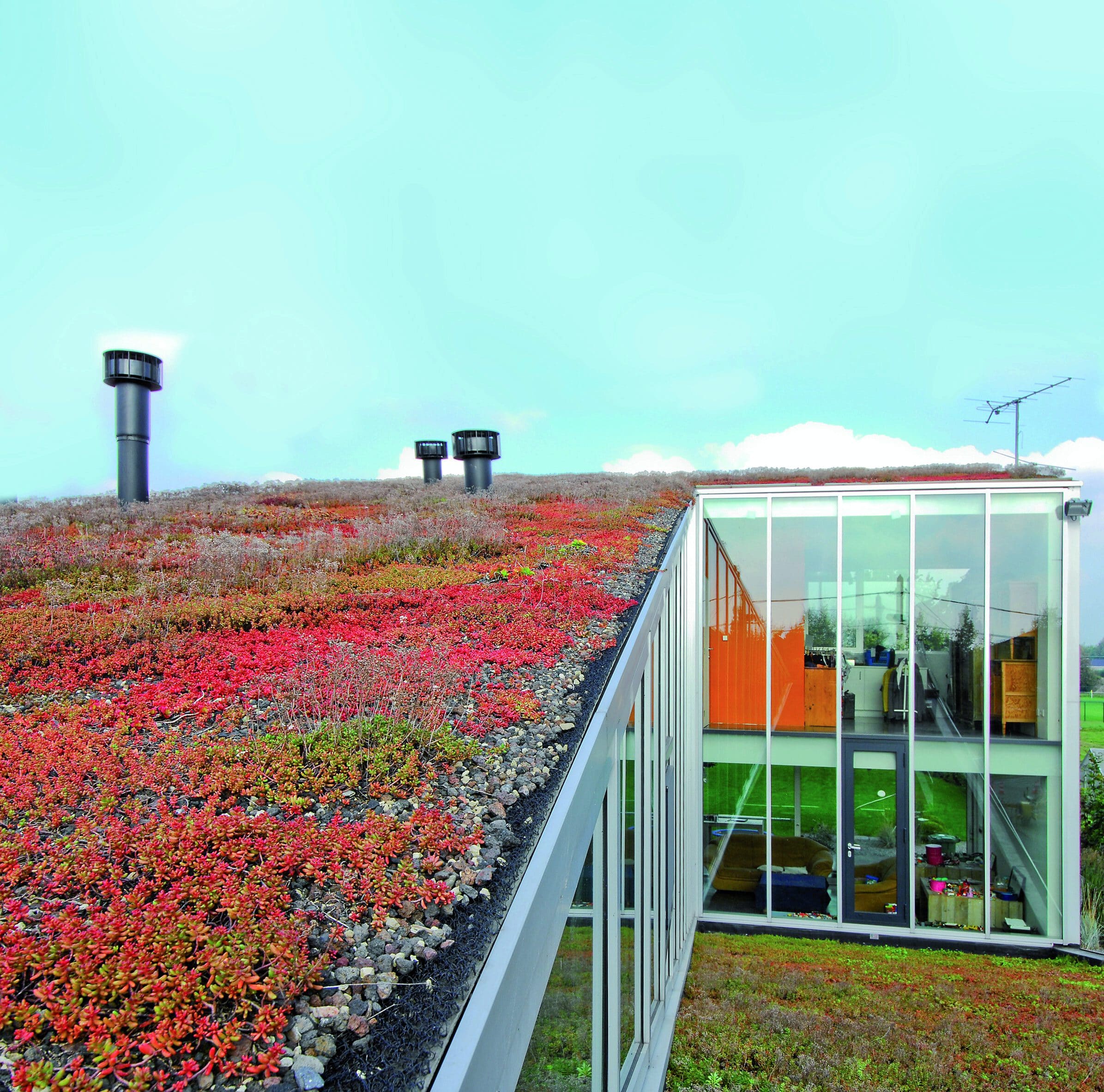
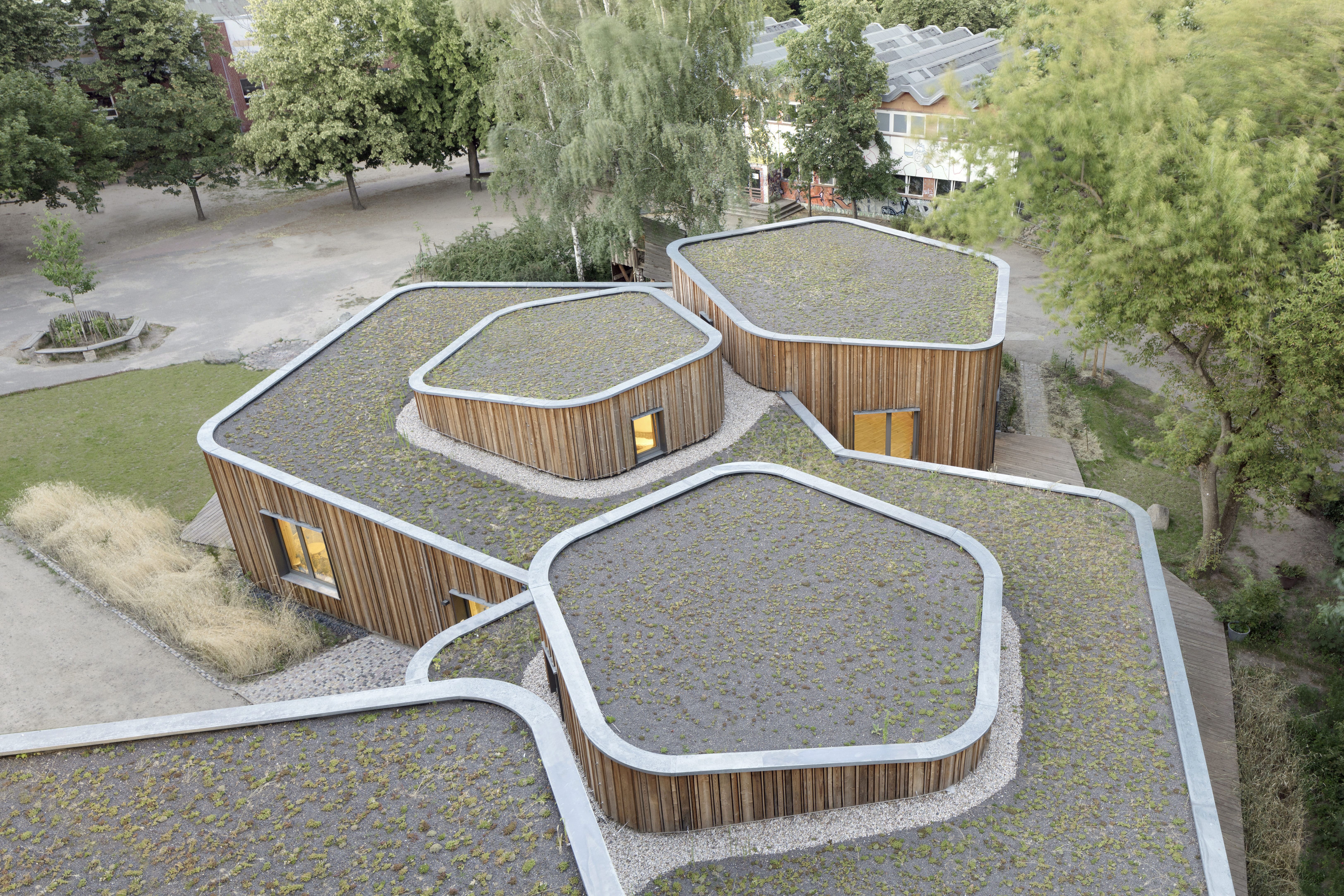
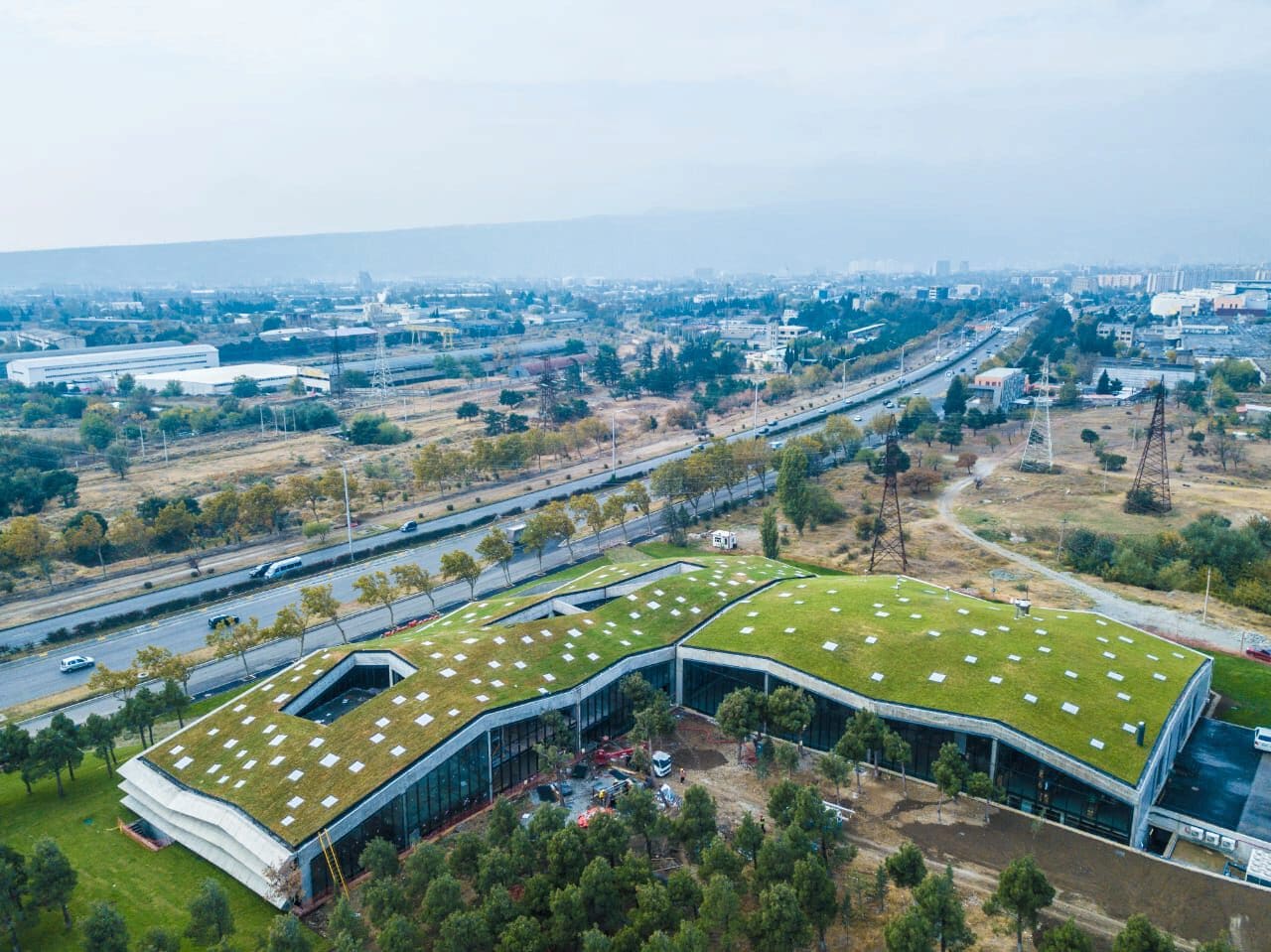
Green roofs benefits
Green roofs also have an overall positive effect on public health and wellbeing. They improve air quality and help biodiversity by providing a natural habitat for plants, birds and beneficial insects such as pollinating bumblebees, bees and butterflies.
Another main benefit of green roofs is the mitigation of the “urban heat island effect” by returning moisture to the environment through evaporation. In addition, the surface of the vegetation reflects more sunlight than standard roof formations, which also contributes towards a cooling effect.
Green roofs also have an insulating effect, which means less energy is required to heat or cool a building. In the summer, green roofs regulate heat, keeping the interior of the building cooler. In cold weather, they ensure that the building loses less heat. In addition to this thermal insulation effect, green roof systems also absorb sound and contribute towards the overall reduction of noise pollution from the urban environment.
Improved stormwater management is another key feature of green roofs. In situations of excessive rainfall, the plants and the substrates on green roofs absorb a certain amount of rainwater and then release it back slowly to the drainage system and into the atmosphere through evaporation. This minimizes the risk of flooding.
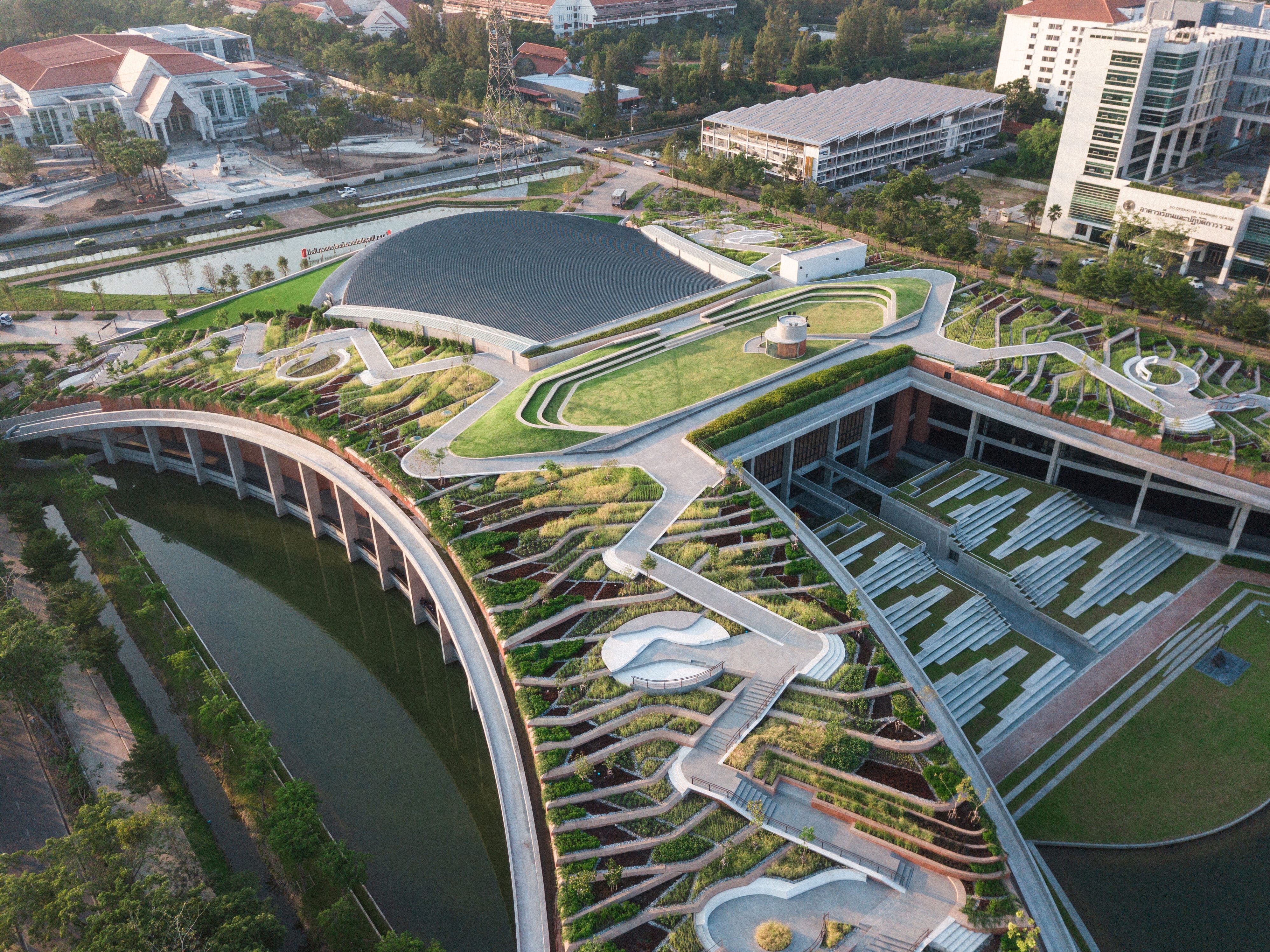
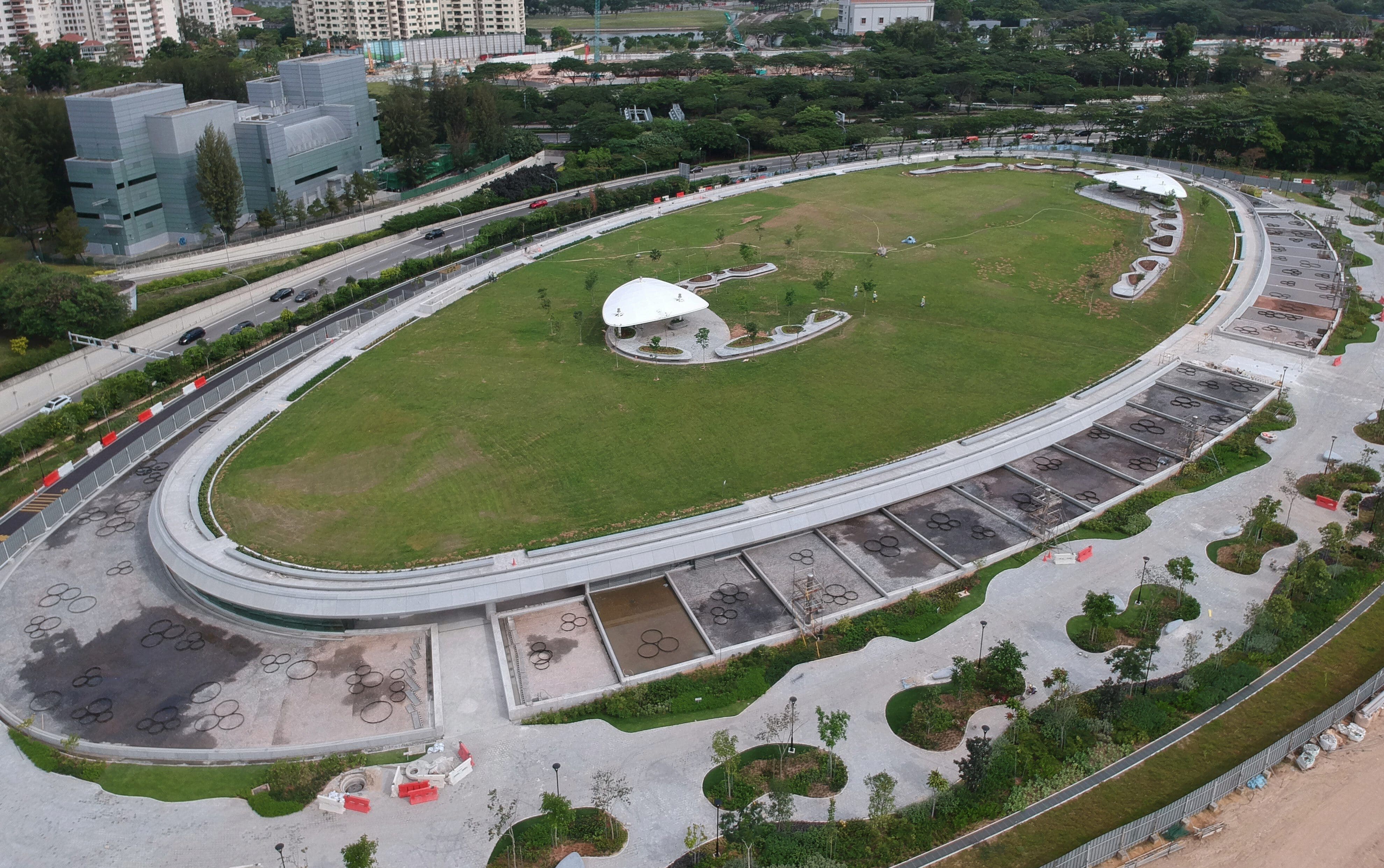
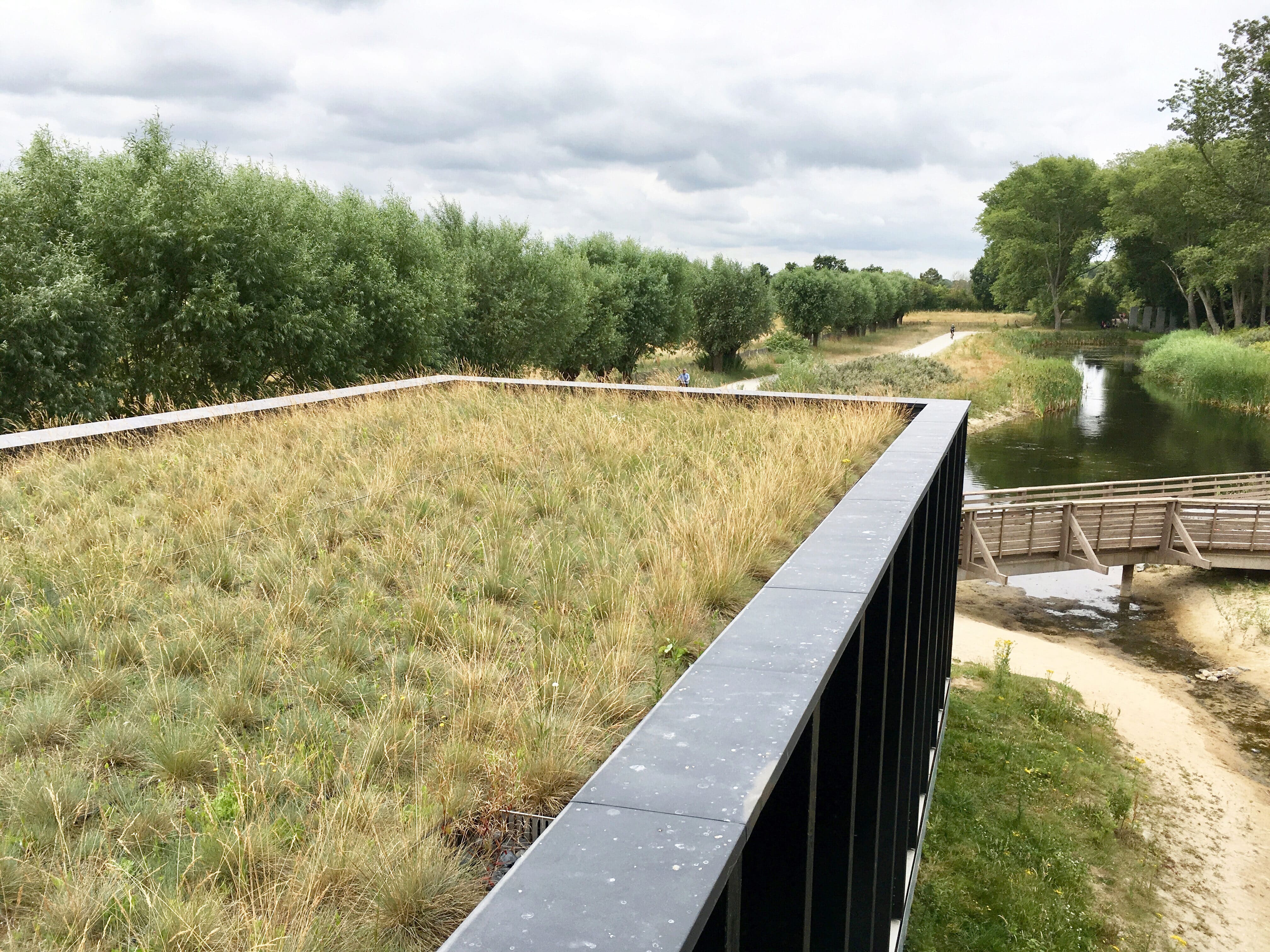
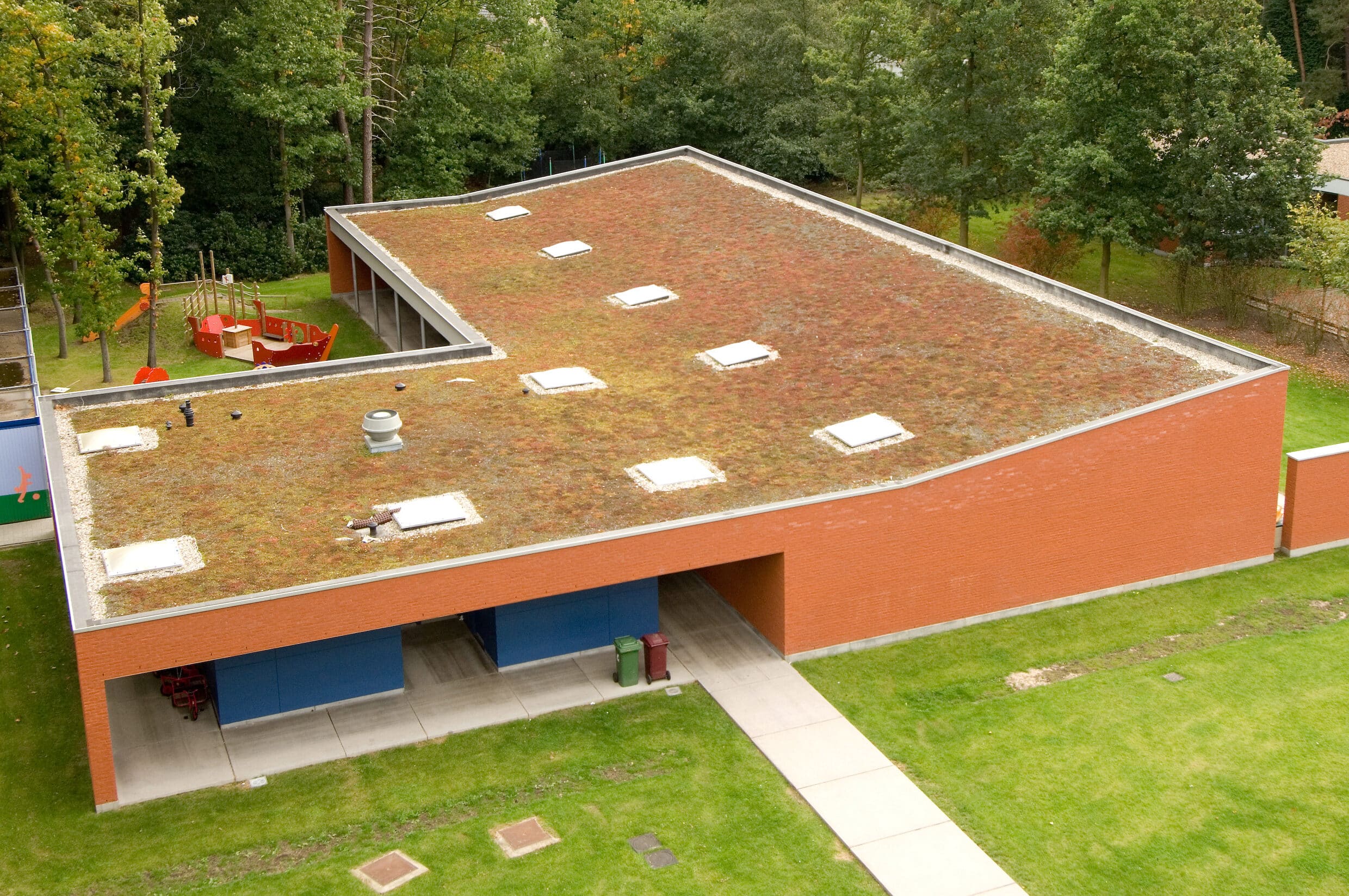
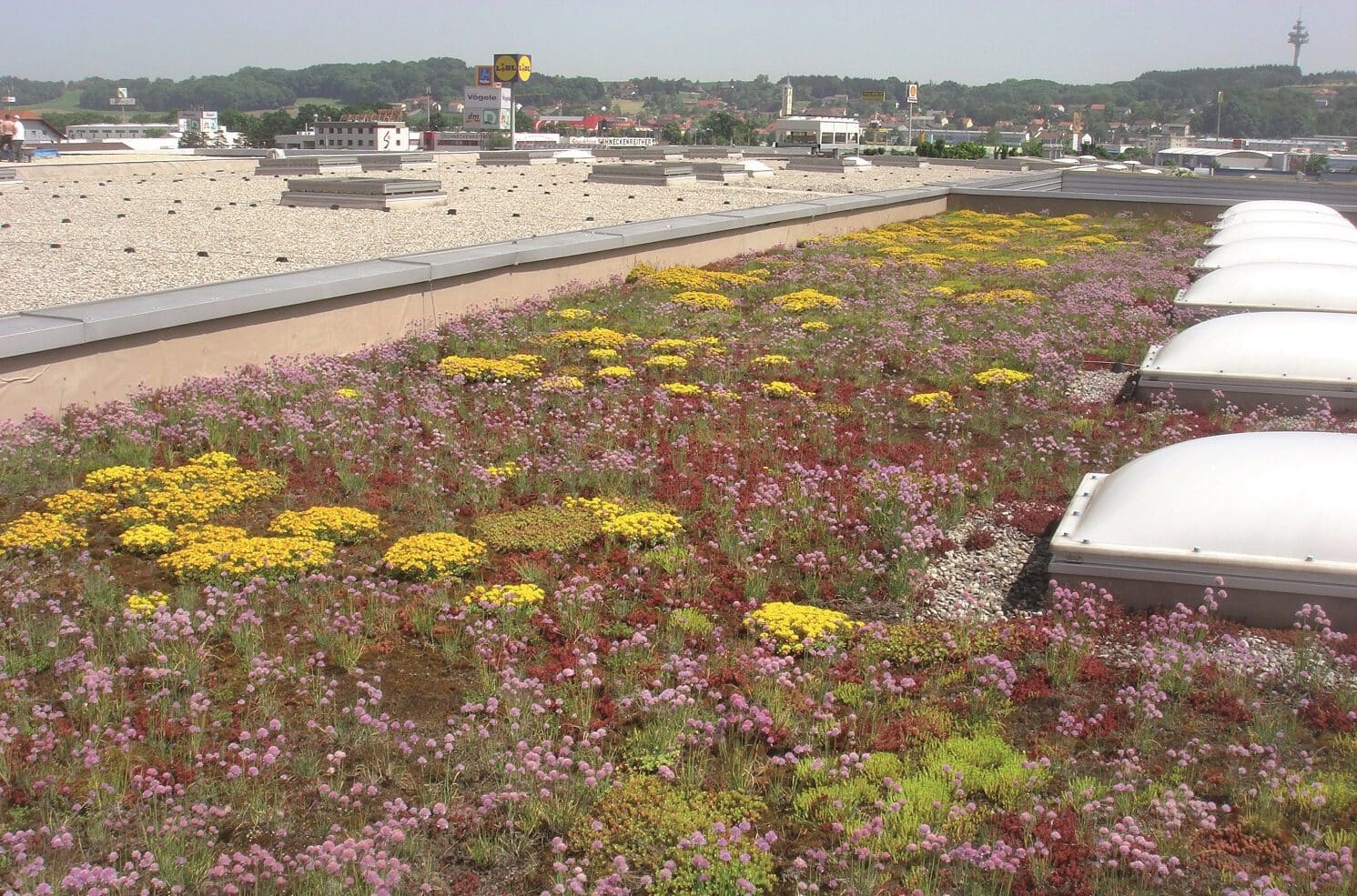
Ready to make your roof greener? Find out how Elevate can help you
Elevate’s single-ply EPDM and TPO roofing membranes offer a solution for this type of application. They are robust, easy to install and maintain, offering an adapted match for extensive green roof applications.
Both Elevate’s RubberGard EPDM and UltraPly TPO membranes have successfully passed the EN 13948 – resistance to root penetration test - and the FLL root penetration resistant test from the German Landscape Research, Development and Construction Society. They are also resistant to the foot traffic associated with eventual maintenance jobs, something that every green roof requires at some point.