
Roofs of residential, commercial or industrial buildings, both pitched or flat, provide a great substrate for solar roofing systems. Let’s deep dive into solar roofing, particularly on flat and low-slope roofs.
WHAT IS A SOLAR ROOF?
A solar roof, or solar roof system, consists of an array of electricity-generating photovoltaic panels or films installed on the roof of a building, whether this is pitched or flat. Among the components of a solar roof installation are the photovoltaic modules themselves, mounting systems, and cables that connect the system to the power grid.
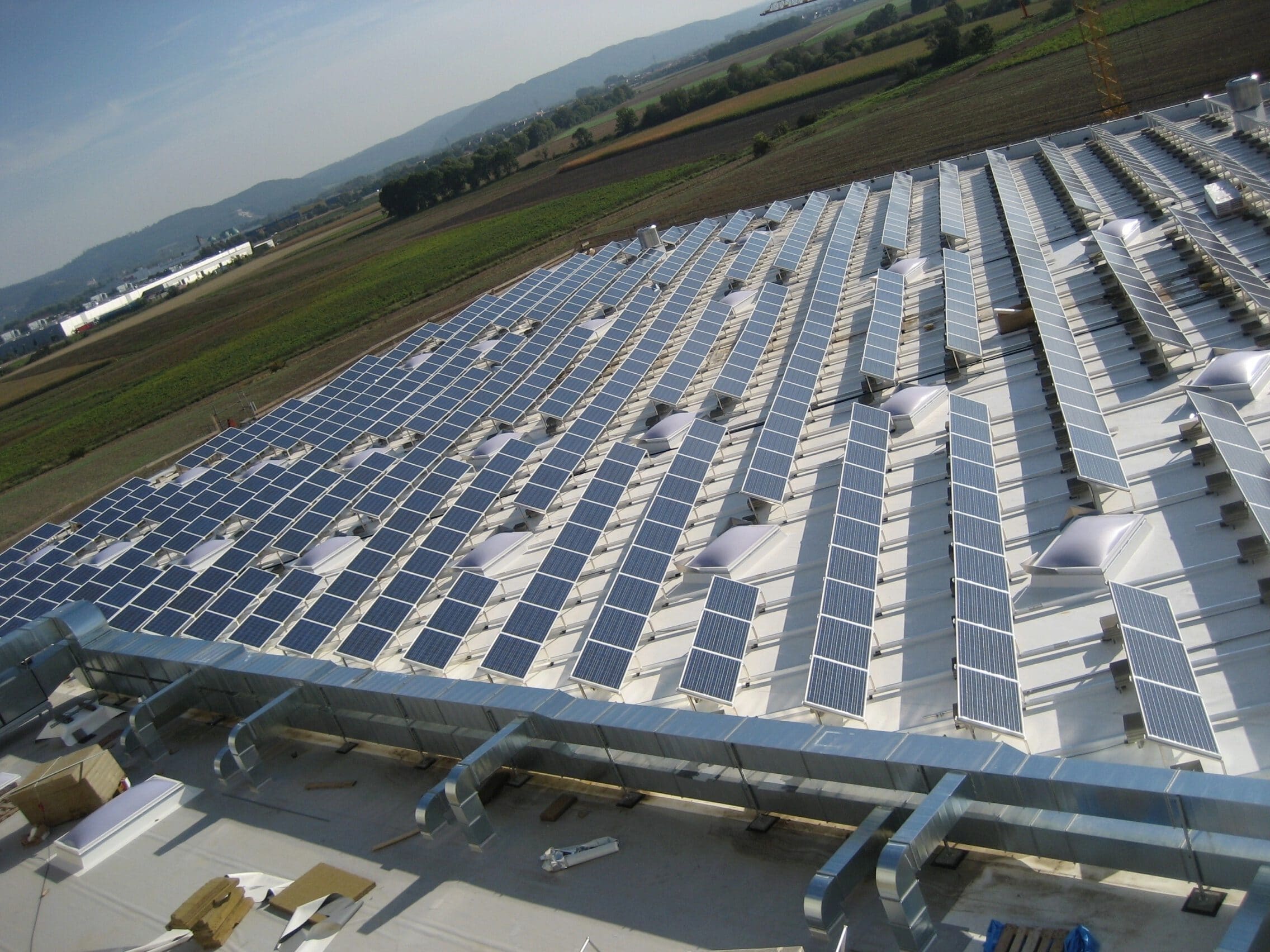
SOLAR ROOFING ON FLAT ROOFS
Flat and low slope roofs offer several advantages over pitched roofs when it comes to solar roofing systems. Among others, they provide easier access for installation and maintenance, and solar panels can be tilted to the most convenient angle to capture the optimum amount of solar energy and maximize results.
There are three main mounting options for solar roofing systems on flat or low slope roofs:
- penetrating system: solar panels are installed on a mounting system that penetrates the roofing membrane. Proper sealing around these penetrations is therefore critical to ensure the watertightness of the roofing system.
- non-penetrating system: solar panels are mounted on a rack support system that is installed on top of the membrane without anchoring, usually held in place with ballast.
- laminates: photovoltaic strips are adhered over the roofing membrane.
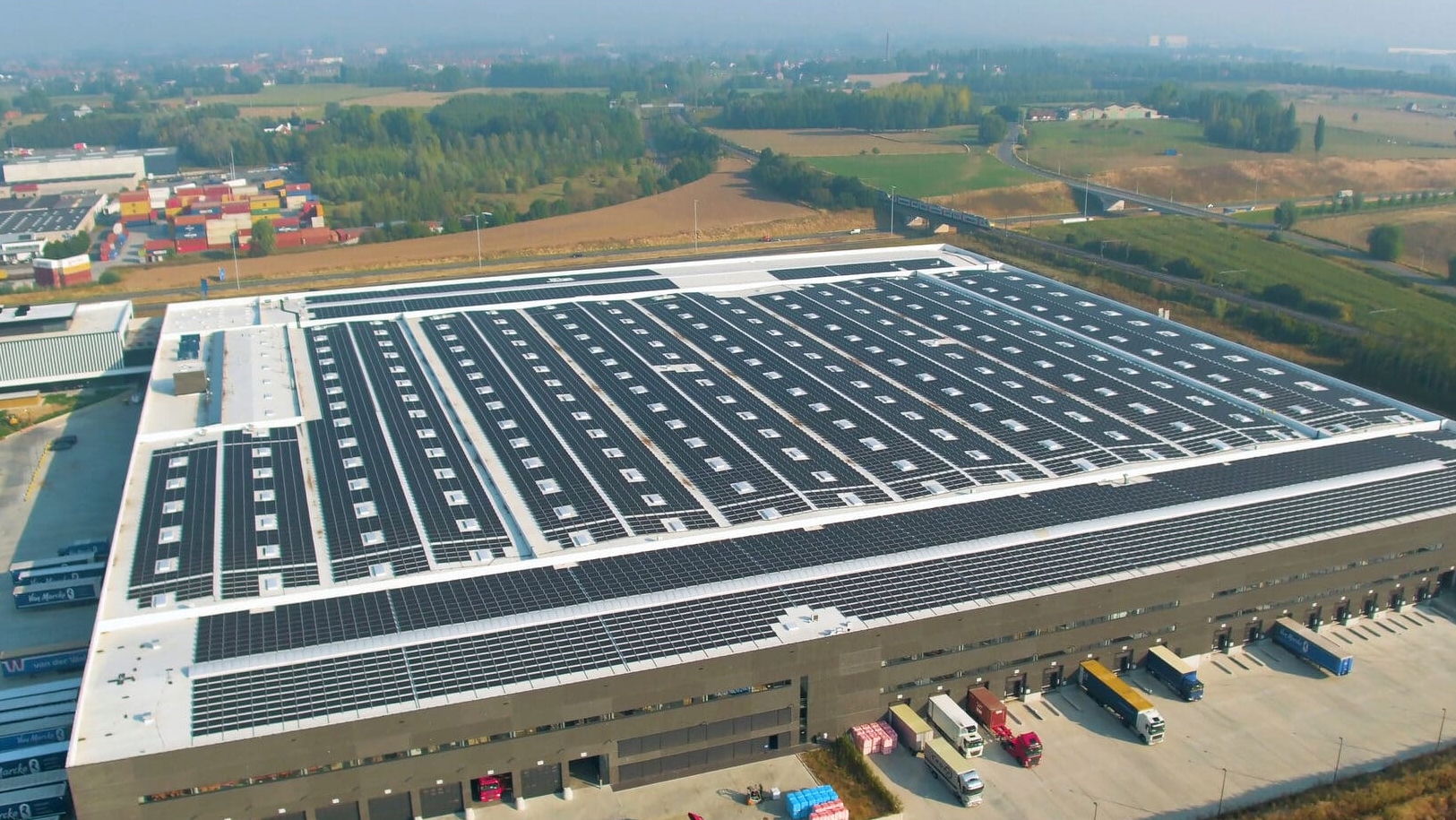
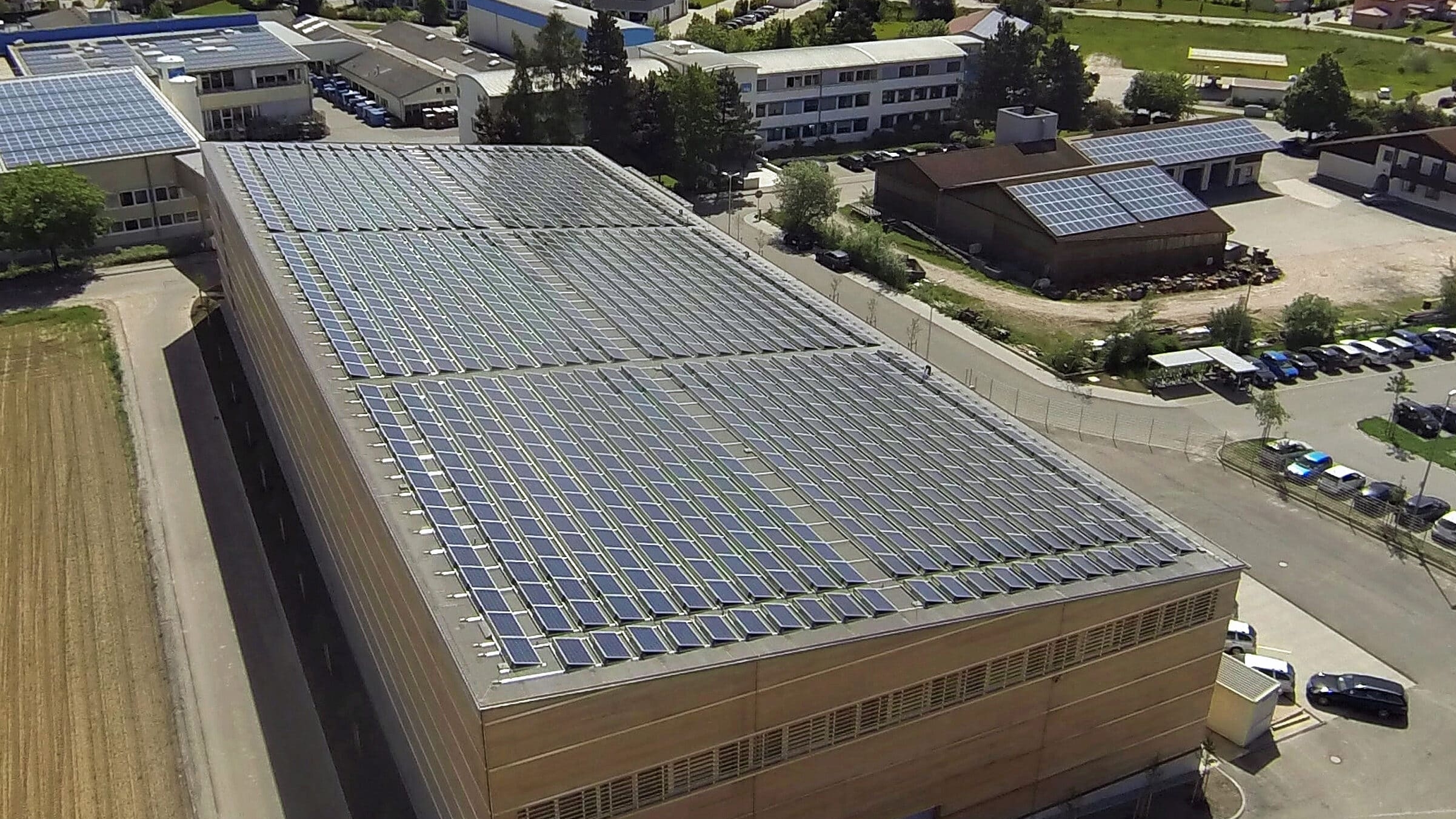
SINGLE-PLY MEMBRANE SOLUTIONS FOR FLAT ROOF SOLAR INSTALLATIONS
A flat solar roof system consists of a number of roofing components installed on top of a load-bearing structure (the roof deck). This can typically include a vapor barrier membrane, an insulation layer and a waterproofing membrane over which the solar panels are installed.
The complete roofing system must be considered at the design stage. If one layer fails, the whole system will fail. If the roofing membrane needs to be repaired, for example, the solar panels would need to be removed and re-mounted again afterwards, generating substantial financial costs.
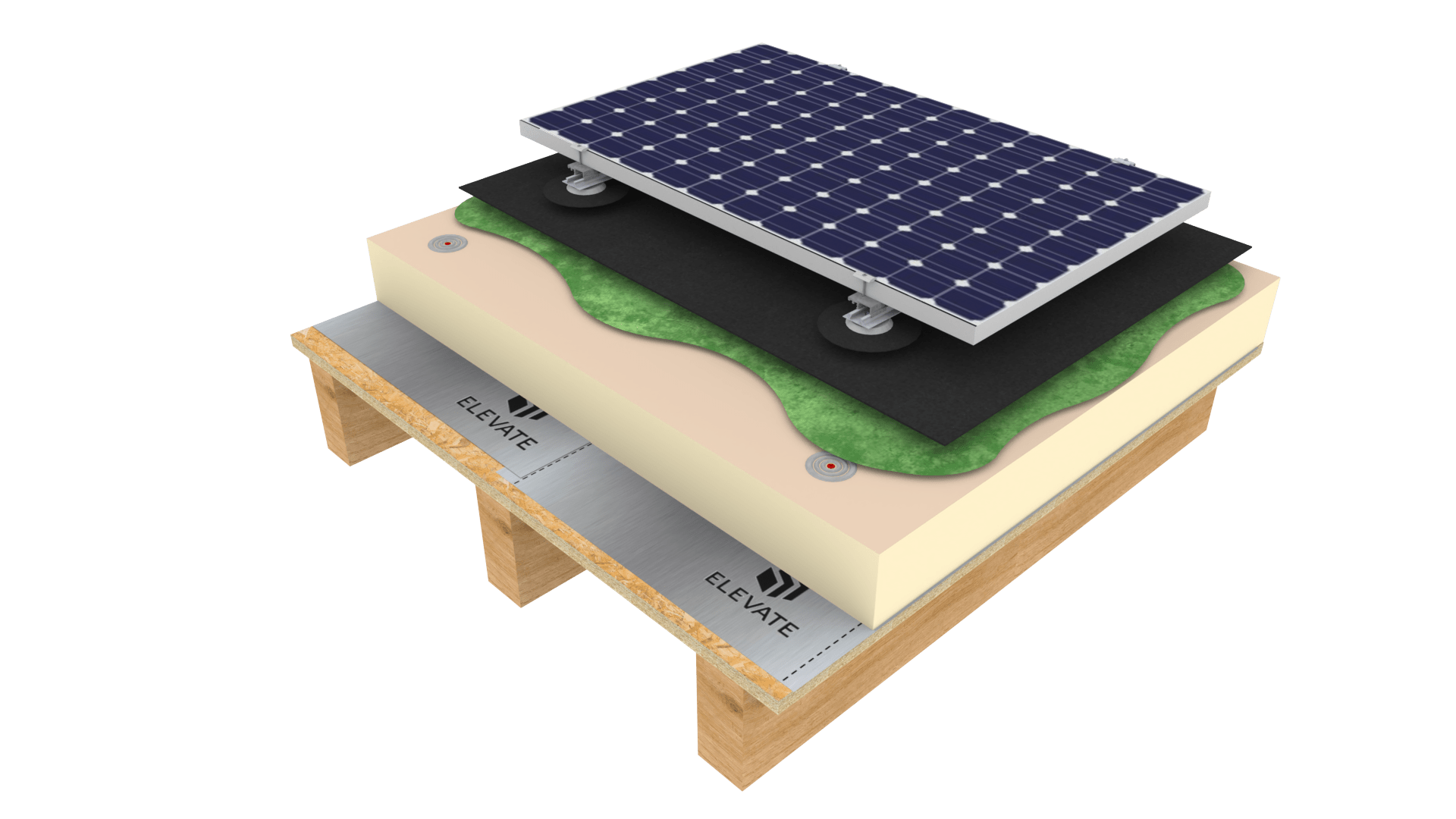
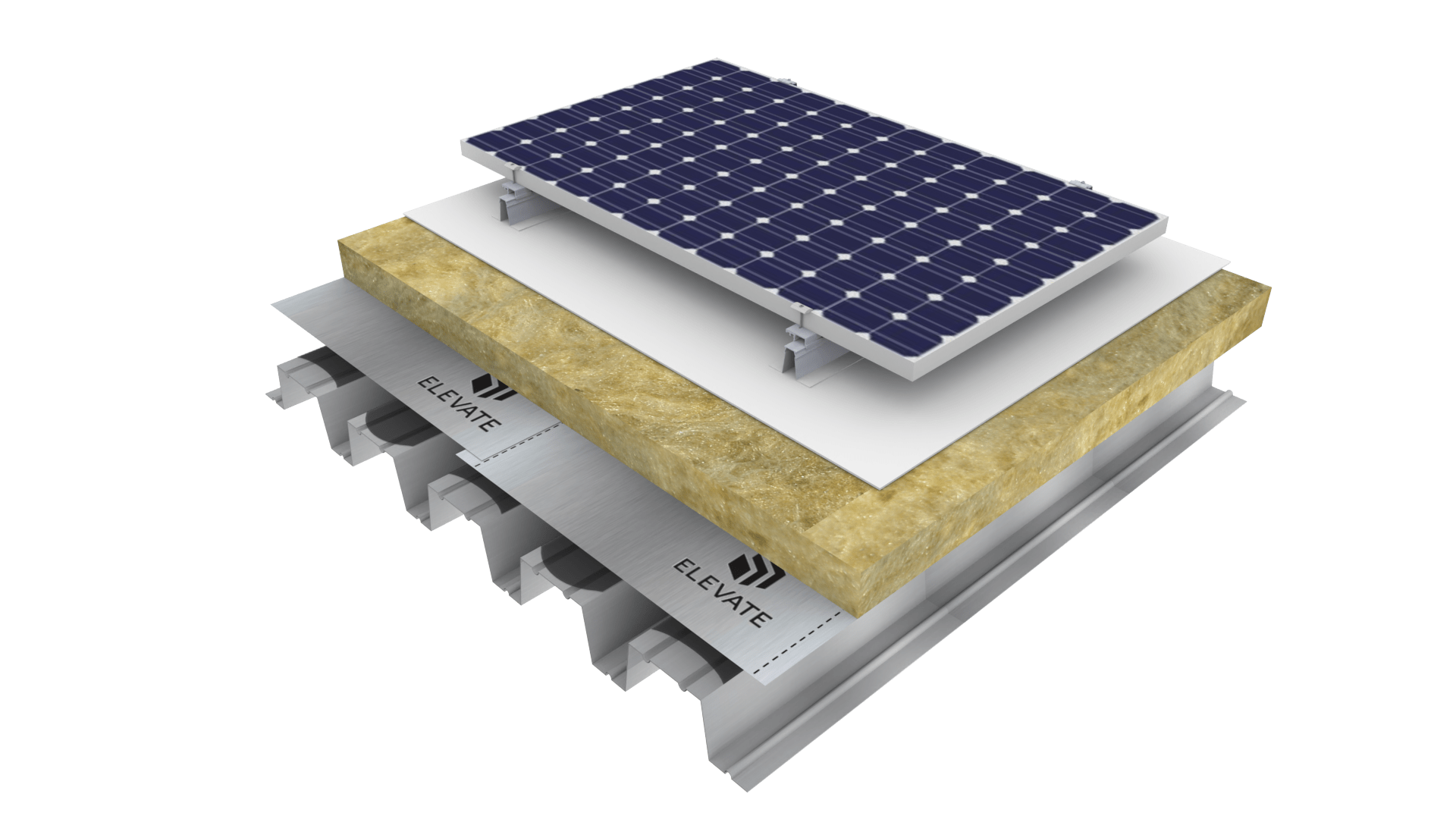
SOLAR ROOF SYSTEM
Solar rooftop investments are typically based on a financial projection of 20-25 years, so the service life of the complete roofing system must at least match this period to maximize returns. Among the factors that influence the durability of a solar roof are the choice of materials, the quality of the installation and maintenance, and local climatic conditions.
Besides fulfilling its insulating and waterproofing function, the roofing system also needs to withstand the increased foot traffic that will take place during installation and maintenance of the solar roof, in addition to the permanent weight of the mounting racks and solar panels themselves.
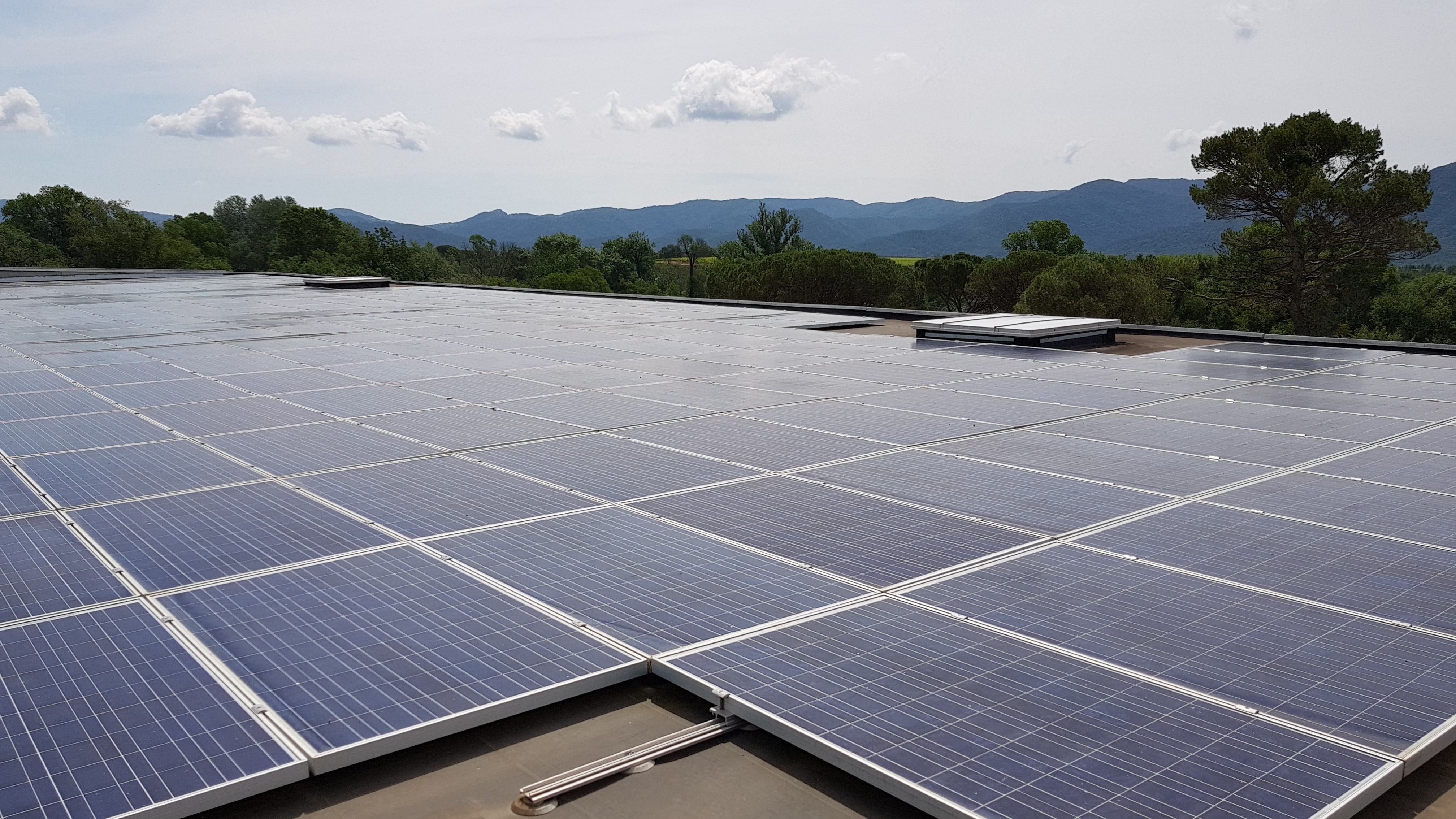
WHY CHOOSE ELEVATE SOLAR ROOF SOLUTIONS?
Elevate EPDM and TPO roofing membranes are compatible with all types of solar roofing systems. They offer good weathering performance, mechanical resistance, and can withstand extreme temperature fluctuations.
Being single-ply membranes, they add limited weight to the roof, which is a very important factor to consider in the design phase of a solar roof. For higher puncture resistance, on solar roofing systems we recommend using a 1.5 mm thick roofing membrane, ideally fully adhered to the support.
Besides waterproofing membranes, Elevate’s range of roofing accessories are designed to effectively address the installation details associated with solar roofing systems. In addition, Elevate also offers other components of the roof assembly, such as polyisocyanurate (PIR) roof insulation boards with high compressive strength and high-density cover boards, which offer a good match for solar roofs. The use of Elevate-approved PV rack support systems further contributes to a compatible solution.
GET IN TOUCH WITH OUR ROOFING EXPERTS
Looking for roofing solutions that integrate with solar panels? Our experts are ready to guide you in selecting the ideal system tailored to your needs. If you have questions about our photovoltaic roofing options—whether you need expert advice, technical details, or a personalized meeting—fill out the form below. We will respond promptly with tailored advice and support to help you make the best choice for your project.