
Roofing membranes, a question of weight
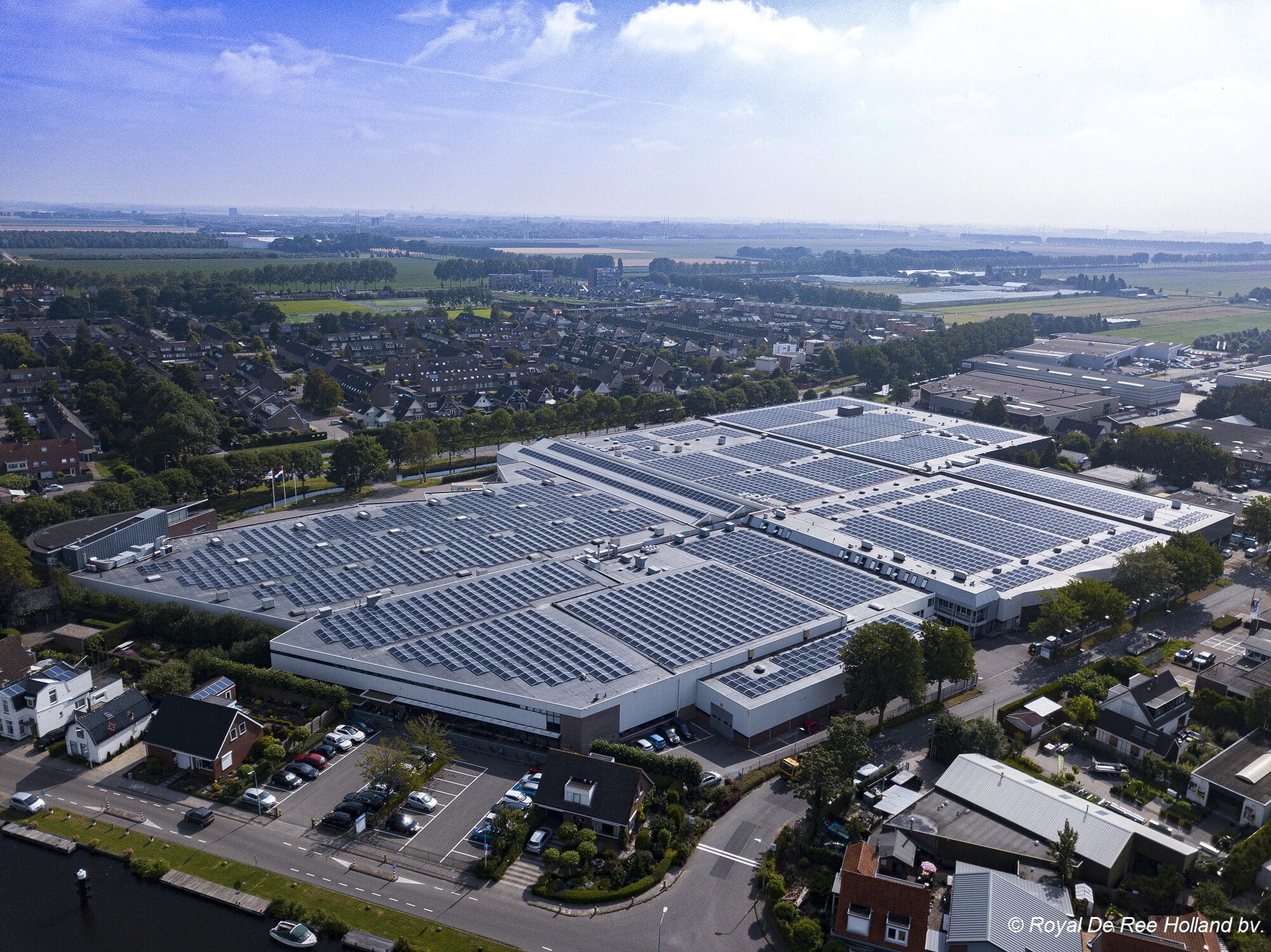
When designing or renovating a flat roof, the weight of the roofing membrane is an important consideration. A clear understanding of membrane weight and its contribution to overall roof loading is essential to achieving a safe, durable, efficient and cost-effective solution.
In modern flat roof design, structural capacity, build-up composition and long-term performance are closely interrelated. While factors such as thermal performance, waterproofing integrity, fire resistance and durability are routinely prioritised, the weight of the roofing system, and of the roofing membrane in particular, is sometimes underestimated during early design stages.
Understanding roof loading
Flat roofs are subject to a range of permanent (dead) and dynamic (live) loads. Permanent loads include the structural roof deck, vapour control layers, insulation, cover boards, waterproofing membranes and any fixed structures such as air conditioning units, green roof build-ups and solar panels. Variable or dynamic loads are temporary and may include snow, ice, maintenance traffic, people standing on an accessible roof terrace, plants, ponding water and wind loads.
While the roofing membrane typically represents a relatively small proportion of the total dead load, its weight becomes increasingly relevant in certain scenarios, including lightweight structural decks, refurbishment projects, long-span constructions and roofs designed close to allowable load limits. In these contexts, marginal weight reductions can have meaningful structural and economic implications. Every kilogram of dead load saved provides more structural capacity for live loads, for example allowing for heavier snowfalls, more equipment, or even the future conversion of the roof into a functional terrace.
Lightweight roofing membranes are therefore increasingly appealing in modern construction. They are easier to handle, transport and install, reducing manual handling risks and improving site productivity. Reduced material weight can also lower craneage requirements and associated costs, which is a relevant consideration for constrained urban sites or phased refurbishment projects.
Single-ply membranes such as EPDM, TPO and PVC are among the least heavy waterproofing available for flat and low slope roofs, with their weight typically ranging between 1.0 and 2.8 kg/m², depending on material and thickness, and whether they are reinforced or not. Their composition, thickness, reinforcement and installation method all influence their weight per square metre. Understanding these differences allows specifiers to make informed comparisons during system selection.
Membrane weight and wind uplift
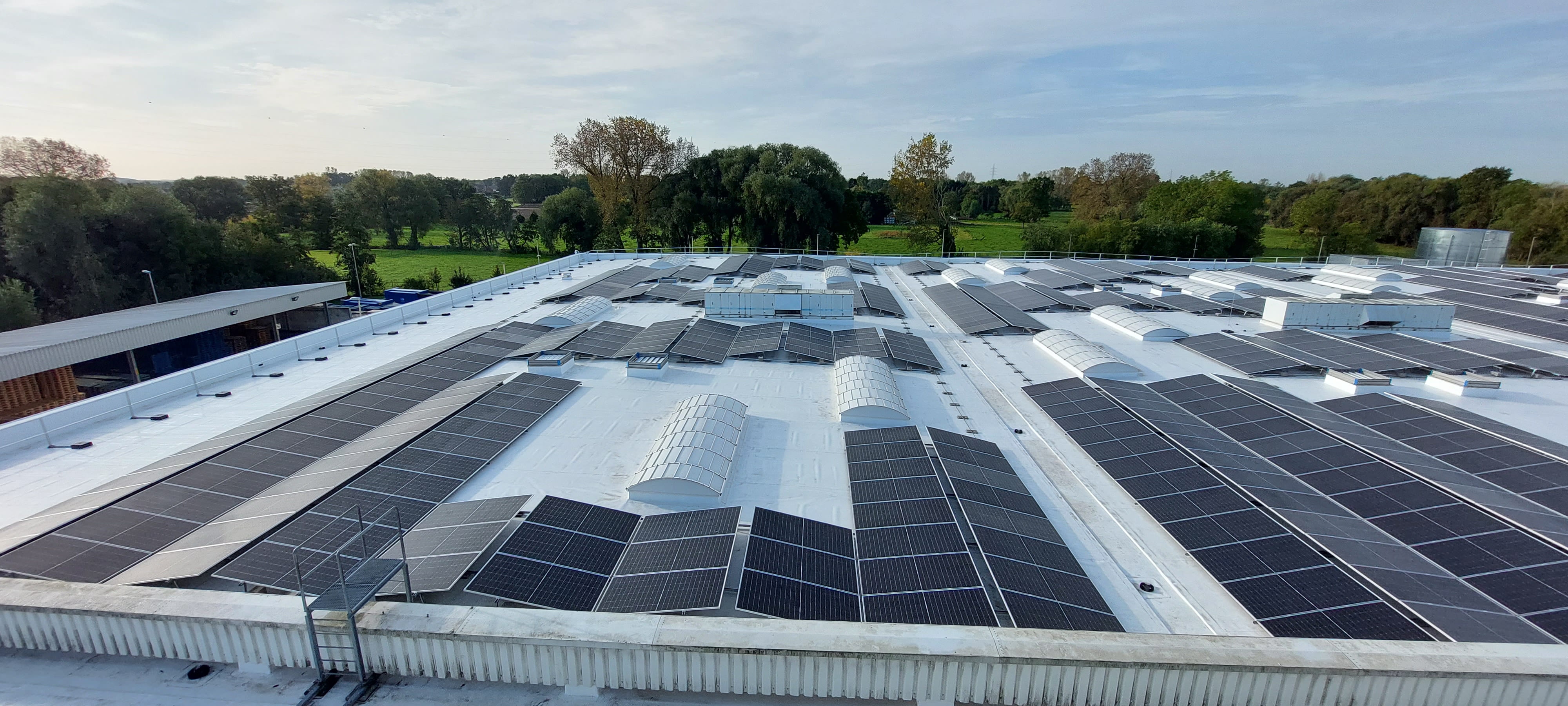
Modern flat roofing design is governed by wind load calculations in accordance with relevant standards. Lightweight membranes, when properly specified and installed, can achieve high wind uplift resistance. This is especially advantageous for tall buildings, exposed locations and refurbishment projects where increasing roof weight to counteract wind forces may be structurally impractical.
The type of membrane attachment method also has a significant impact in this regard. Ballasted systems use the weight of gravel or concrete pavers to counteract wind uplift. However, they also add significant dead weight to the building, often requiring stronger structural reinforcement. Mechanically fastened and adhered roofing systems are much lighter, as they rely on fasteners and plates or adhesives to hold the membrane in place. Ultimately, in order to ensure long-term stability the attachment method must balance installation speed, structural load capacity and the specific wind pressures of the building's location.

Sustainability considerations
From a sustainability point of view, membrane weight correlates indirectly with material use and embodied carbon. Heavier membranes generally require more raw material per square metre, which may increase their environmental impact depending on material composition and manufacturing processes. However, weight should not be considered in isolation. Durability, service life, maintenance requirements and compatibility with future refurbishment or overlay systems are equally important.
Best practice specification requires early coordination between the architectural, structural and roofing design teams. Indicative roof build-up weights should be established during concept design and refined as system selection progresses. Manufacturer-provided system data, including installed weight per square metre, should be verified and incorporated into structural calculations.
In refurbishment projects, the existing build-up weight and structural capacity should be identified before specifying replacement membranes. Where weight reduction is a project driver, lightweight membrane systems should be explicitly evaluated alongside insulation and fixing strategies.
Making an informed choice
In short, the weight of roofing membranes on flat roofs is a very important, though sometimes overlooked, aspect of roof design and specification. While membranes may represent a modest proportion of total roof loading, their weight can have significant implications for structural performance, refurbishment feasibility, installation efficiency and overall project cost.
An informed membrane selection based on accurate weight data and a holistic understanding of roof system performance supports safer, more efficient and more sustainable flat roof design. By addressing membrane weight early in the design process, project teams can avoid unnecessary structural constraints and deliver optimised roofing solutions aligned with both technical and commercial objectives.
Do you need specific technical advice on your project? Our roofing experts are here to support you every step of the way, from concept to completion. Contact us today.
