The importance of tapered roof insulation
Understanding tapered insulation
Efficient water drainage is absolutely key on flat roofs. Standing water can lead to structural damage, leaks, mold and algae growth, and premature roof failure. To ensure proper drainage, flat roofs must have a minimum slope, which is usually defined by national building codes and roofing material manufacturers’ recommendations. When the structural slope of a roof does not permit efficient drainage, the use of tapered insulation can provide an effective and economical solution.
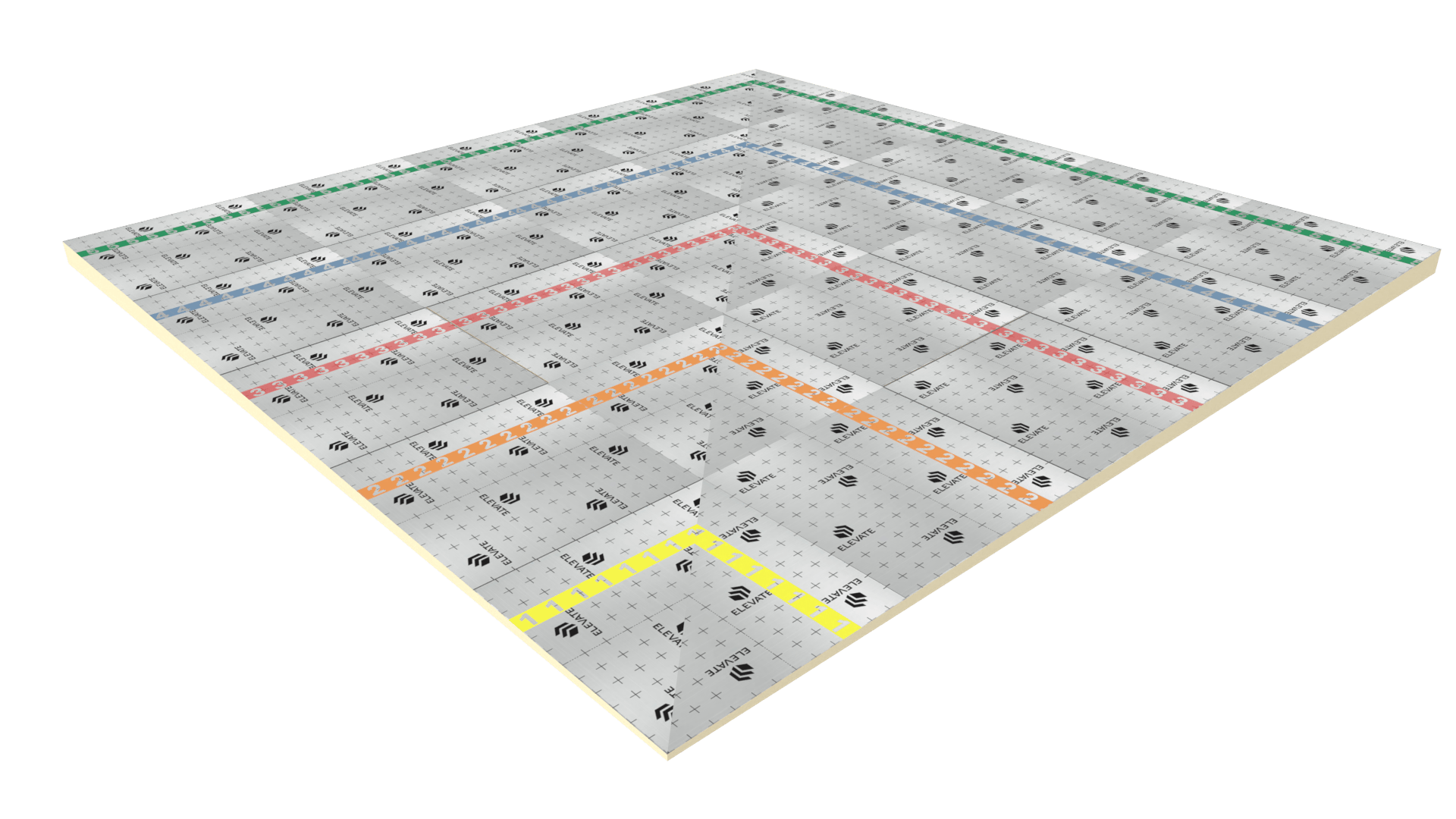
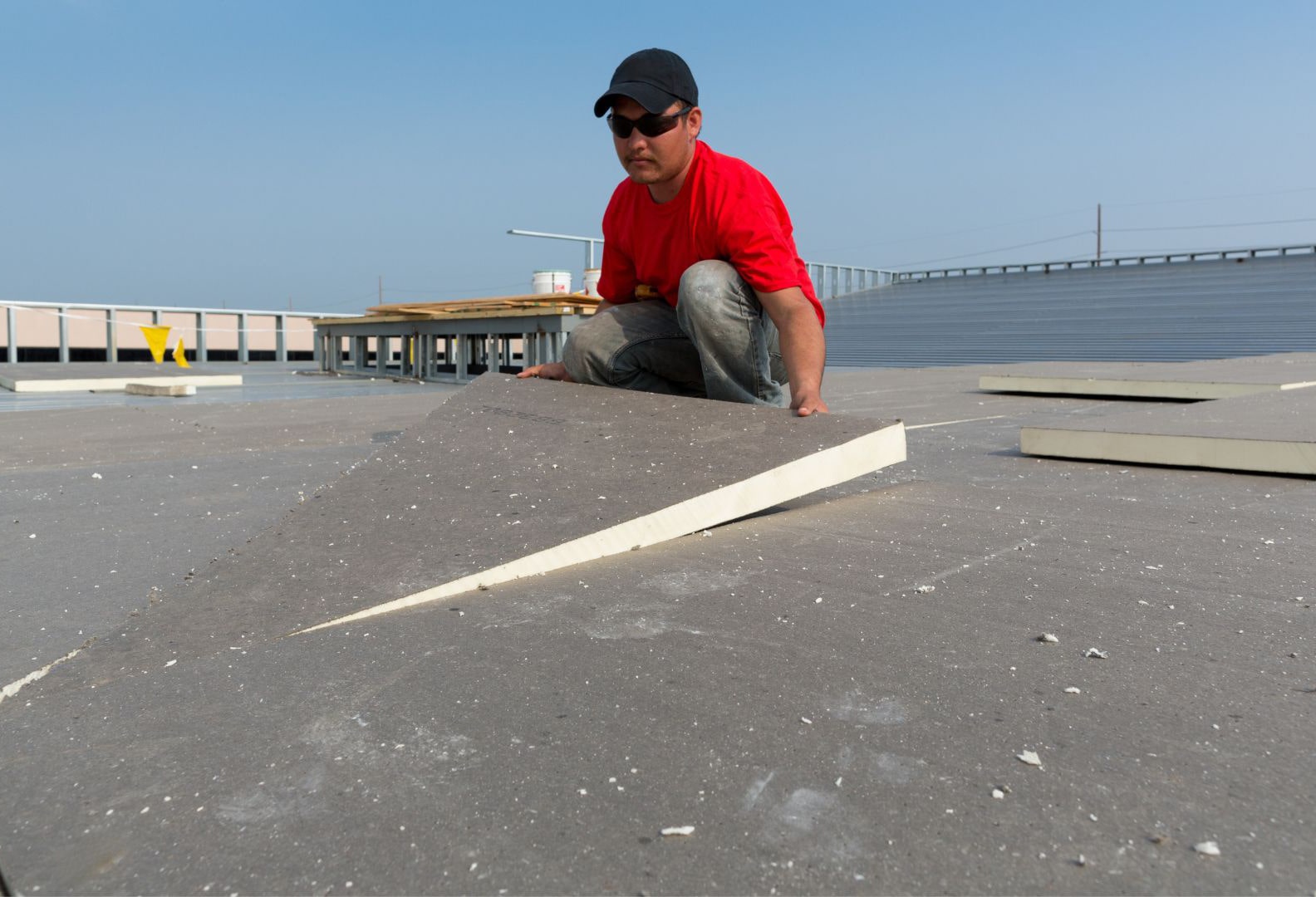
Tapered insulation boards are rigid panels that have a sloped or angled profile. They provide or enhance the slope of a flat roof, directing water towards drains, scuppers or gutters, ensuring efficient runoff. Ridge and valley boards are special shapes of tapered insulation panels that are used at 90 degree junctions on the roof to create a fall in one or two directions and direct water toward drains or away from high points. Tapered boards are available in various thicknesses and configurations to accommodate different roof designs and drainage requirements.
Utilizing tapered insulation is a more economical and effective choice than engineering a slope into the building's primary structure. While the insulation materials themselves may require a higher upfront investment, they eliminate the high costs and labour complexities associated with creating structural slope in steel or concrete.
Polyisocyanurate (PIR) is the most common material for tapered insulation boards due to its high thermal efficiency, lightweight properties and ease of installation. It offers one of the best thermal conductivity ratings among insulation materials, helping meet energy performance targets with thinner profiles. PIR boards are moisture-resistant, durable, and dimensionally stable, making them ideal for flat roofing applications.
Best practices
Proper installation is essential to maximize the benefits of tapered insulation. Here are some key best practices:
- Conduct a thorough roof evaluation: Before installing tapered insulation, conduct a comprehensive assessment of the existing roof structure, drainage conditions and insulation needs. This evaluation helps determine the appropriate slope, board configuration and insulation type.
- Have a detailed layout plan: A well-designed tapered insulation layout plan should include slope calculations, drainage locations and material selection. Working with a roofing professional or consultant can ensure the design meets building requirements and effectively directs water flow.
- Choose the right material: Selecting the appropriate tapered insulation material is crucial for achieving the desired performance. The choice of material depends on climate conditions, budget, and specific project requirements.
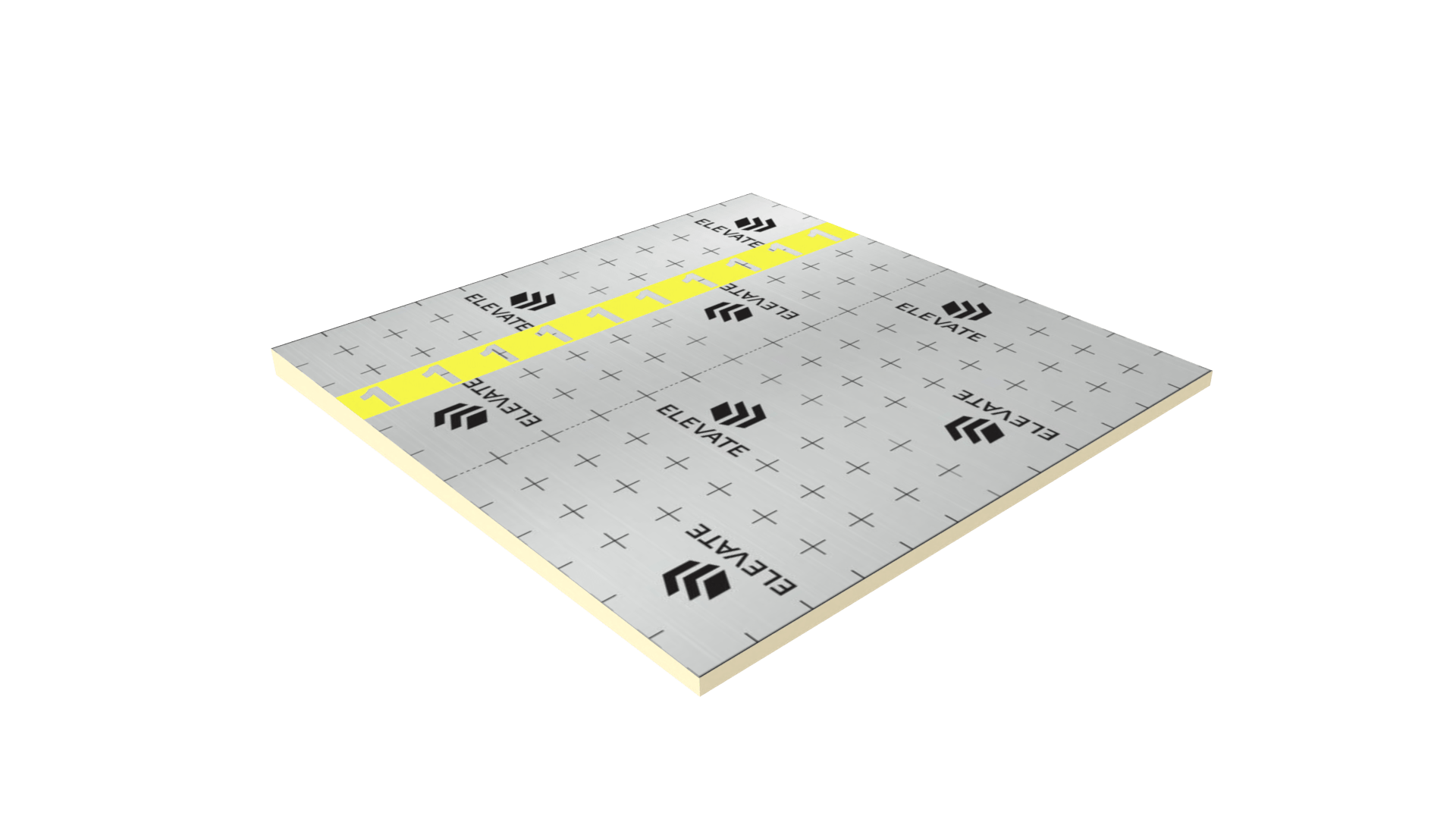
- Ensure proper layering and alignment: Tapered insulation boards must be correctly aligned and securely fastened. Proper layering is essential for achieving a uniform slope and effective drainage. In some cases, multiple layers of insulation may be required to meet the necessary slope and R-value. Special attention should be paid not to leave gaps between boards on all layers.
- Coordinate with roofing membrane installation: Tapered insulation should be integrated with the overall roofing system, including the installation of the roofing membrane. Ensuring compatibility between insulation and roofing membrane is essential for achieving a watertight and durable roofing system.
Want to learn more about our tapered PIR insulation boards? Get in touch with one of our roofing experts!