What is EPDM roofing?
EPDM, or ethylene propylene diene monomer, is a synthetic rubber single-ply roofing membrane widely used on low-slope commercial roofs. EPDM roofing is known for its durability, flexibility and resistance to ultraviolet radiation, ozone, and weathering. Elevate RubberGard EPDM is available in multiple membrane configurations and installation methods to meet different building and project requirements.
What are the benefits of an EPDM roofing system?
EPDM roofing systems provide long-term durability, flexibility, and resistance to UV radiation, ozone, and changing weather conditions. The membrane remains flexible for an extended period across a wide temperature range and can accommodate building movement. Elevate EPDM systems are also available with multiple attachment methods, reinforced membrane options, pre-taped seams, and self-adhered installation.
How are EPDM roofing systems installed?
EPDM roofing systems can be adhered, mechanically attached, or ballasted, depending on the roof assembly and project requirements. Elevate also offers RubberGard EPDM SA with factory-applied Secure Bond Technology for self-adhered installation and the RubberGard EPDM R.M.A. System, which uses QuickSeam R.M.A. strips to mechanically secure large EPDM panels. The appropriate installation method depends on the roof deck, building design, wind requirements, and other project conditions.
What is the difference between EPDM and TPO roofing?
EPDM and TPO are both single-ply commercial roofing membranes, but they differ in material composition and installation. EPDM is a flexible thermoset synthetic rubber membrane that typically uses tapes and adhesives to form seams. TPO is a reinforced thermoplastic membrane with heat-welded seams and is commonly selected when a highly reflective roof surface is desired. The most appropriate roofing membrane depends on climate, roof design, installation requirements, and building performance needs.
Is EPDM roofing suitable for cold climates?
EPDM is well suited for a wide range of climates because the synthetic rubber membrane remains flexible for an extended period and performs across changing temperatures. Black EPDM can also absorb solar heat, which may be beneficial in heating-dominated climates. For cold-weather installation, product-specific temperature, storage, and application requirements should always be followed. RubberGard EPDM SA can be installed when ambient and substrate temperatures are 20°F (-7°C) and rising.
How long does an EPDM roof last?
The service life of an EPDM roof depends on factors such as system design, membrane thickness, installation quality, climate, rooftop conditions, and ongoing maintenance. Elevate RubberGard EPDM has been installed on commercial roofs since 1980. Actual roof service life will vary by project.
What warranties are available for Elevate EPDM roofing systems?
Eligible Elevate RubberGard EPDM roofing systems installed by a licensed Elevate applicator may qualify for Red Shield™ Limited Warranty coverage with terms that vary by membrane, attachment method, and roof assembly. Qualifying 90-mil adhered RubberGard Platinum EPDM systems may be eligible for up to a 30-year limited warranty, while other EPDM systems have different available warranty terms. Consult current Elevate warranty requirements for complete eligibility and coverage details.
How do I choose the right Elevate EPDM roofing system for my project?
The optimal EPDM roofing system depends on factors including building type, roof deck, climate, wind requirements, installation conditions, rooftop activity, and desired warranty coverage. RubberGard EPDM provides versatile adhered, mechanically attached, and ballasted options; RubberGard EPDM SA offers factory-applied adhesive for faster, low-odor installation; RubberGard MAX EPDM provides internal reinforcement for added tear, puncture, and wind-force resistance; and, the R.M.A. System provides a mechanically attached option using large EPDM panels and QuickSeam R.M.A. strips. An Elevate Sales Representative or roofing professional can help identify the appropriate membrane and attachment method for the project.

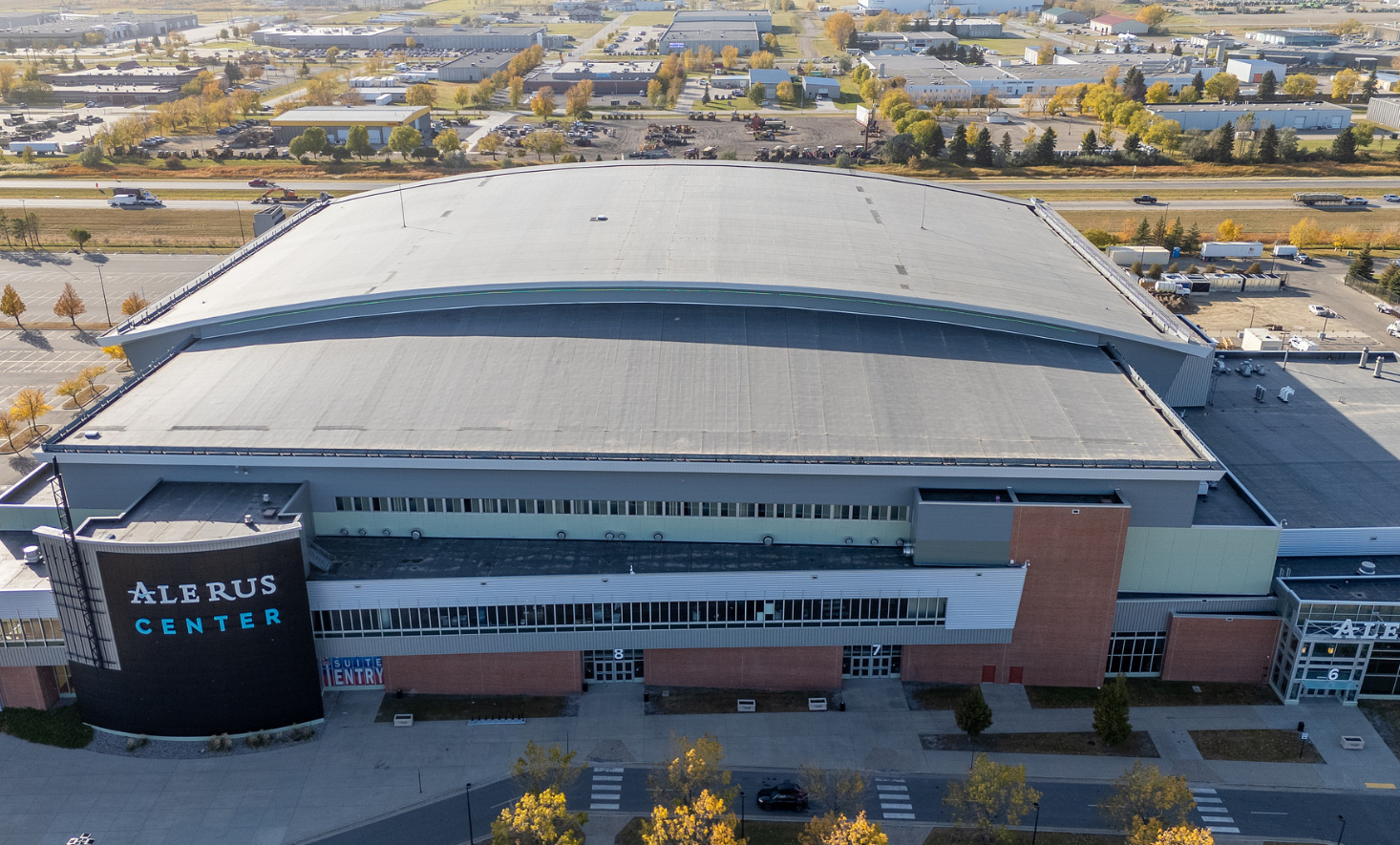


 EPDM ROOFING PROJECTS


 Knowledge Center